Online Laser Safety Certification
Industrial • Healthcare • Cosmetic • Veterinary
LaserSafetyCertification.com provides self-paced online laser safety certification for technicians, operators, and designated Laser Safety Officers across industrial, healthcare, cosmetic, and veterinary environments.
Courses are based on applicable ANSI Z136 guidance and provide a certificate of completion, while employers retain responsibility for site-specific controls, procedures, PPE, and implementation.
Choose a technician or operator certification for personnel who work with or around laser systems. Choose an LSO certification for personnel assigned broader responsibilities involving hazard evaluation, control measures, procedures, PPE, records, and laser safety program oversight.
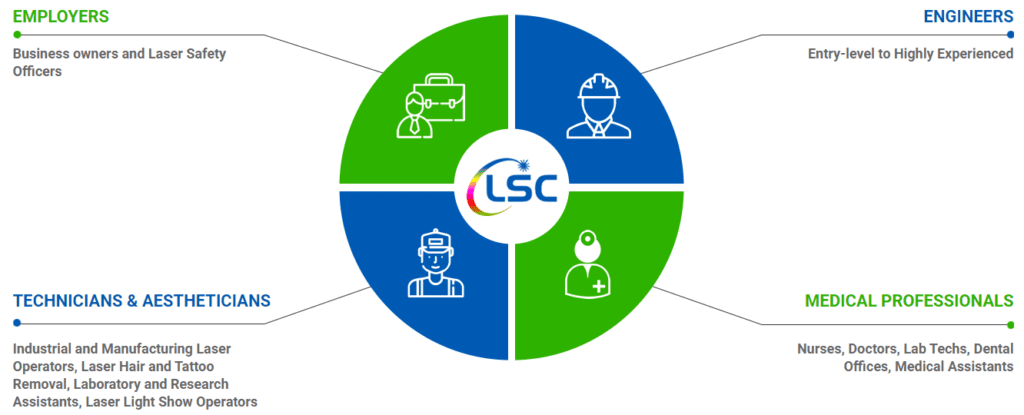
Certifications Available for the Following Laser Applications
How OSHA, ANSI, FDA, and BLS Fit Together
| Organization | Role in Laser Safety |
|---|---|
| OSHA ↗ | Enforces workplace safety requirements and provides guidance for controlling occupational laser hazards. |
| ANSI Z136 ↗ | Provides consensus laser safety guidance covering hazard evaluation, control measures, responsibilities, and safe laser use. |
| FDA / CDRH ↗ | Regulates laser products and manufacturers under federal radiation-emitting product requirements. |
| Board of Laser Safety ↗ | Administers the CLSO and CMLSO professional credentials and related eligibility and examination requirements. |
| Employer → | Implements and maintains the site-specific laser safety program, including hazard evaluation, controls, procedures, PPE, records, and oversight. |
Laser Safety Certification at a Glance
| Training format | Online, self-paced |
| Audiences | Technicians, operators, designated LSOs |
| Industries | Industrial, healthcare, cosmetic, veterinary |
| Course formats | Written and video |
| Standards basis | Applicable ANSI Z136 guidance |
| Completion | Certificate of completion |
| Access | Online |
| Employer responsibility | Site-specific hazard evaluation, controls, procedures, PPE, and implementation |

These are some of our biggest customers, maybe you recognize them!
Laser Safety Certification programs for operators & technicians
Get your team certified completely online. Whether you have 10 employees or 100, certification in laser safety has never been easier.
- Select the courses you need
- Register your company
- Sign up your employees
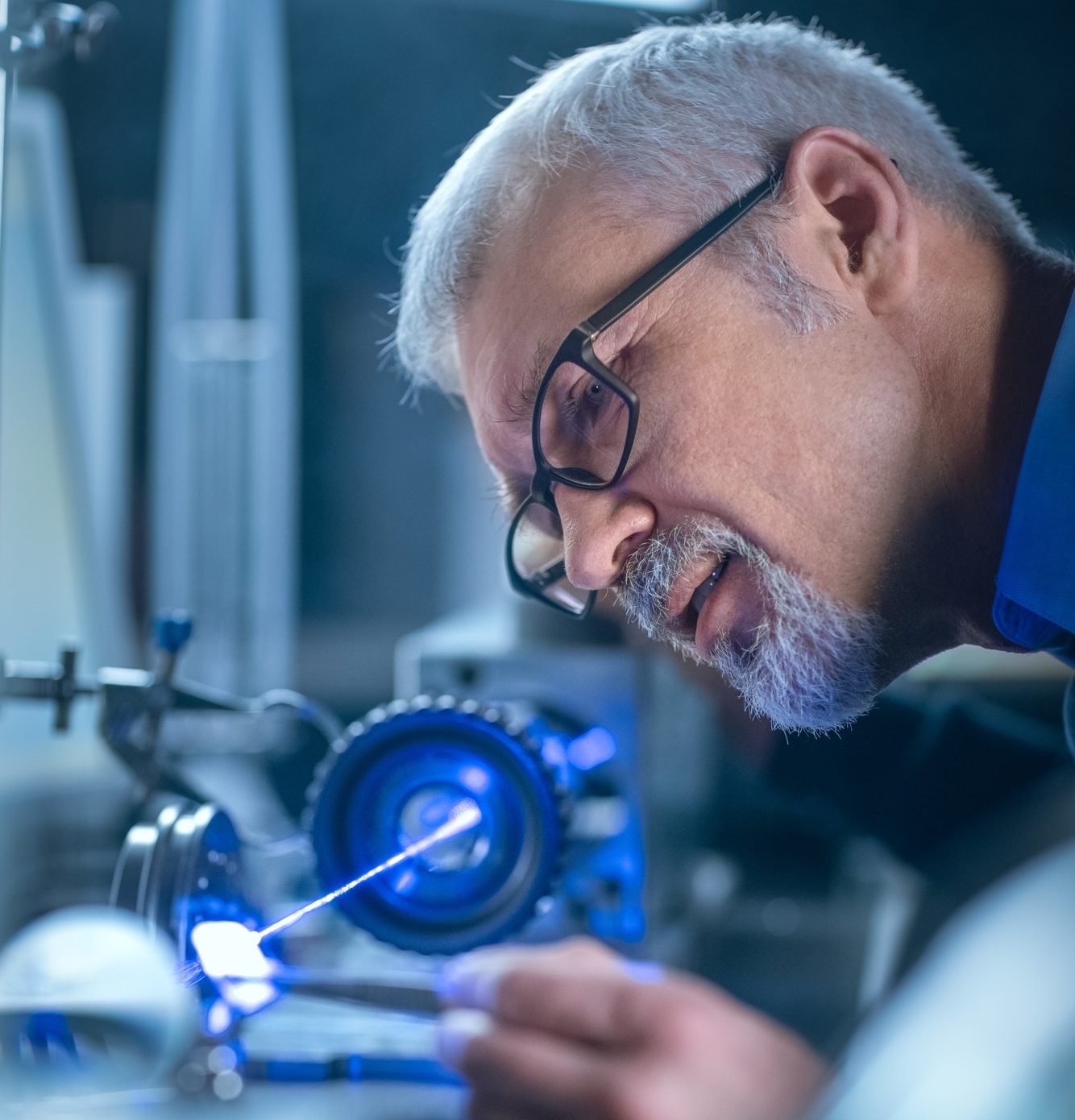
Laser Safety Officer (LSO) Certification Courses
Get certified as a Laser Safety Officer. Gain access to our most comprehensive certification program to properly administrate safety according to OSHA & ANSI standards.
- Hazard evaluation
- Control measures
- PPE & Doc control
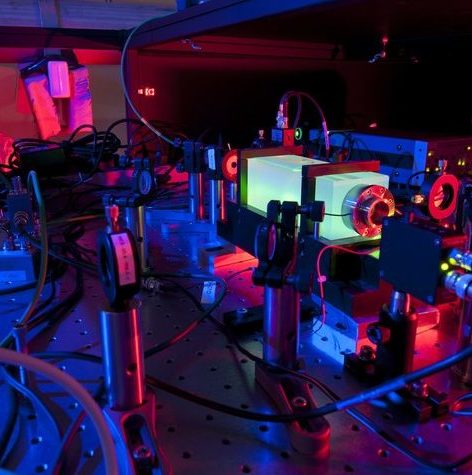
Laser Safety Kits - a built-for-you program
For Laser Safety Officers who need a comprehensive Laser Safety Program without having to build the program yourself by using our Laser Safety Kits.
- LSO refresher doc
- Training slides
- Exam & Certificates
- Fillable SOP form
Laser Safety FAQs
What is laser safety certification?
Laser safety certification provides structured education on laser hazards, control measures, PPE, safe operating practices, and role responsibilities. LaserSafetyCertification.com offers online certification programs for technicians, operators, and designated Laser Safety Officers across industrial, healthcare, cosmetic, and veterinary environments.
Does OSHA require laser safety certification?
OSHA requires employers to protect workers from recognized laser hazards and provide appropriate safety training, controls, and PPE. For Class 3B and Class 4 laser operations, OSHA guidance recommends formal laser safety training for operators, maintenance personnel, service personnel, technical staff, and the Laser Safety Officer. An LSC certificate can document completion of structured laser safety certification, while the employer remains responsible for site-specific hazard evaluation, procedures, controls, and implementation.
What is a Laser Safety Officer?
A Laser Safety Officer, or LSO, is the person designated by an organization with the authority and responsibility to evaluate and control laser hazards and oversee the laser safety program. Responsibilities may include hazard evaluation, control measures, PPE requirements, procedures, documentation, incident response, program review, and enforcement of laser safety controls.
Who should complete laser safety certification?
Laser safety certification is appropriate for employees who operate lasers, work near hazardous laser systems, supervise laser activities, maintain or service laser equipment, or have responsibility for a facility’s laser safety program. For Class 3B and Class 4 systems, formal laser safety education is particularly important for operators, technicians, maintenance personnel, service personnel, technical staff, and designated LSOs. The appropriate course depends on the person’s role and work environment.
What is the difference between technician certification and LSO certification?
Technician certification focuses on the knowledge needed to work safely with or around laser systems. LSO certification covers broader program responsibilities such as hazard evaluation, control measures, PPE, documentation, procedures, program implementation, and oversight.
What does an LSC certificate of completion show?
An LSC certificate documents that the named participant completed the applicable online laser safety certification program and assessment. Organizations can use the certificate as part of their training and safety records and as one component of broader laser safety program documentation.
Are LSC courses based on ANSI Z136 standards?
Yes. LSC certification programs are developed around applicable guidance from the ANSI Z136 series. Industrial and laboratory content primarily relates to ANSI Z136.1, while healthcare and cosmetic content primarily relates to ANSI Z136.3.
How long does laser safety certification take?
Most LSC certification programs are designed to be completed online in a few hours or less, depending on the course format and the participant’s pace. Written and video options are available for many certification programs.
Can laser safety certification be completed online?
Yes. LSC certification programs are completed online and can be accessed remotely. Participants can complete the applicable course content and assessment without traveling to an off-site classroom.
Is laser safety certification enough for a complete facility program?
No. Certification covers the knowledge and documentation associated with course completion, but a complete facility laser safety program may also require site-specific hazard evaluation, laser inventory, procedures, signage, engineering controls, PPE selection, incident response, training records, inspections, and ongoing review. Reach out to us to learn more about our Custom Compliance Program.
What laser classes require the most stringent controls?
Class 3B and Class 4 lasers generally require the greatest level of hazard evaluation and control. Class 4 systems present the highest level of laser hazard and can create serious eye, skin, fire, and secondary hazards. They commonly require engineering controls, administrative controls, PPE, restricted access, warning systems, and formal laser safety oversight.
What industries use laser safety certification?
LSC serves industrial and laboratory facilities, hospitals and healthcare organizations, cosmetic and aesthetic practices, and veterinary environments. Common applications include laser cutting, welding, cleaning, engraving, marking, surgery, dermatology, hair removal, tattoo removal, pain relief, and veterinary procedures.
How often should laser safety certification be renewed?
There is no single universal renewal interval for all laser safety certification. Refresher frequency should be based on the facility’s laser safety program, hazard level, employer policy, applicable standards, equipment changes, procedural changes, and job responsibilities. Additional certification or refresher education should be provided when new hazards, equipment, procedures, or responsibilities are introduced. LSC course materials also recommend periodic refresher training as part of an ongoing laser safety program.
What should an employer do after employees complete certification?
Employers should maintain certification and training records and evaluate the site-specific elements of their laser safety program. Common next steps include reviewing the laser inventory, hazard evaluations, written procedures, controlled areas, signage, engineering controls, eyewear and other PPE, incident response procedures, inspection practices, and assigned LSO responsibilities.
We’ve done the work for you by developing a plug-and-play Laser Safety Program.
Easy to use
Our quizzes, and exams will guide you through the certification material.
Time saver
You no longer have to attend in-class training on the other side of the country. Get it all done online.
Comprehensive content
We include all the info you need to get your organization OSHA compliant.
Proof of compliance in your organization.
Its the premier team training solution that automates the teaching, certification, documentation of your laser safety program.

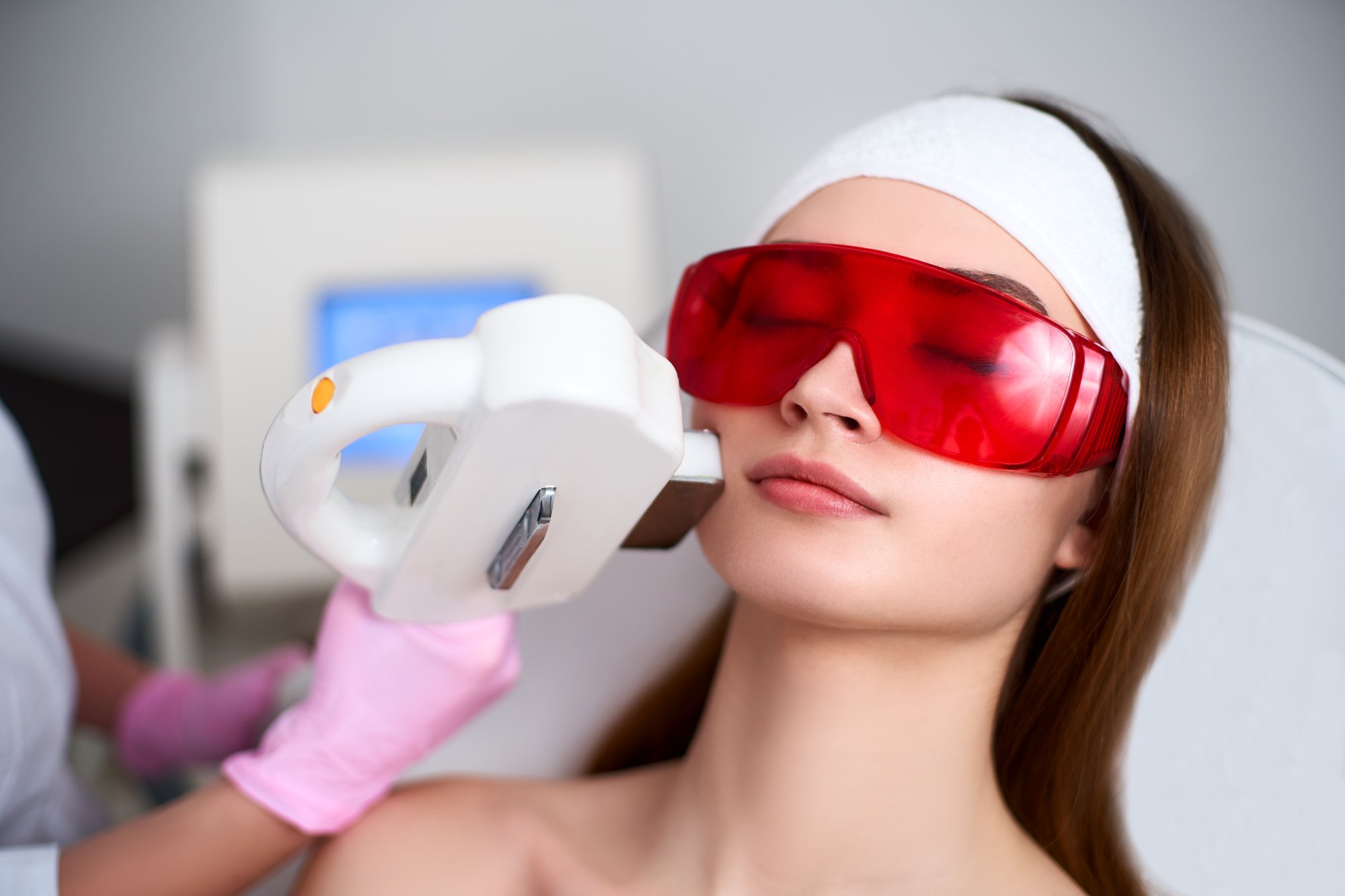
Getting certified for Laser Safety is more complicated than ever
If you’re anything like us, you want a simple way to make sure your employees are certified to stay safe around lasers.
But why do that when we have already done it for you?
We have already done all the work of creating a Laser Safety Program for your organization that is plug-and-play. Laboratory, Industrial, Healthcare, Cosmetic…we’ve got you covered.
By signing up for our program, you can finally get your team certified online.
Our comprehensive suite of certification courses and kits will provide you with everything you need to keep your team safe, and give you peace of mind in the event of an audit, because our program is proof that you are in compliance with all of OSHA’s laser safety standards.
Not sure what is right for you? Answer a few questions and we will point you in the right direction.

Laser Cleaning – Essential Safety SOP
Let's talk about laser cleaning safety today. I think this is a really important topic for our customers. We have a lot of questions from people calling [...]
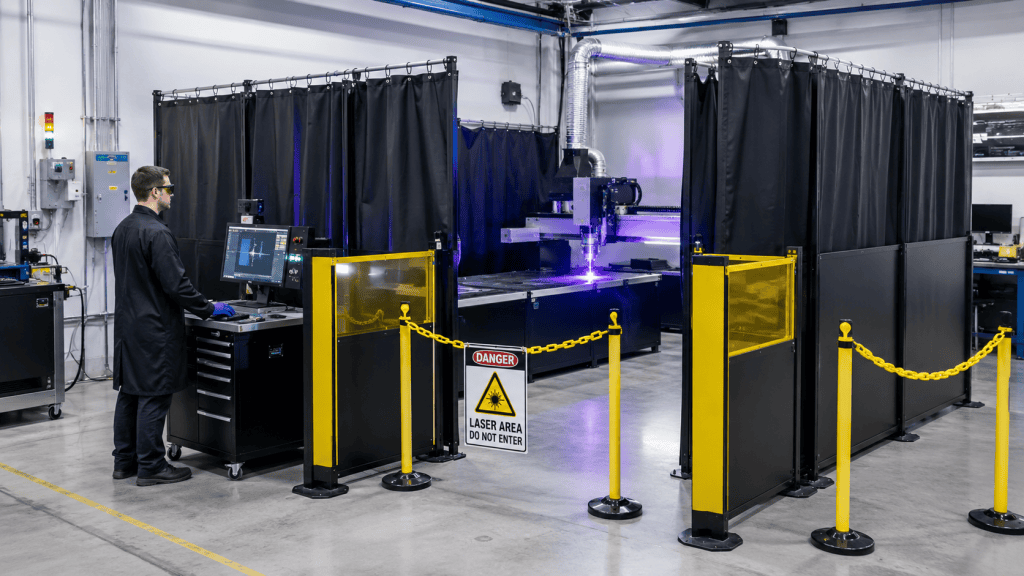
Laser Curtains & Barriers for Laser Controlled Areas: Best Practices
How to Properly Set Up Barriers and Curtains in a Laser Controlled Area A laser curtain can look deceptively simple. Hang the material from a frame, close […]
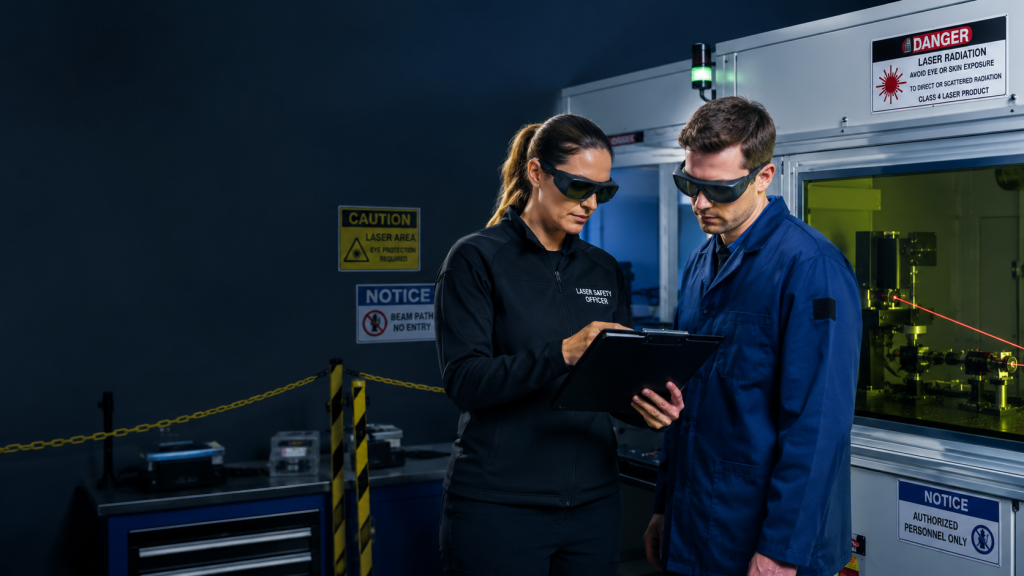
OSHA Accident Investigation for Laser Safety
OSHA Accident Investigation: Laser Safety, Near Misses, and Root Cause Analysis Laser incidents can happen quickly, but the causes often build over time. A missing warning sign, […]
Industrial Laser Safety Certification
Healthcare Laser Safety Certification
Cosmetic Laser Safety Certification
Veterinary Laser Safety Certification
Developed by Laser Safety Professionals
LaserSafetyCertification.com course content is written by Nate Wilkerson, founder of Laser Safety Certification and an engineer with a degree in University of Arizona Wyant College of Optical Sciences. His professional background includes work with laser, optics, and LiDAR systems.
- Founder: Laser Safety Certification
- Education: Optical Sciences & Engineering
- Technical background: Laser, optics, and LiDAR systems
- Curriculum role: Development and technical oversight of LSC certification content
- Last reviewed: August 24, 2026
Primary References
LSC certification content references authoritative laser safety guidance and standards, including:
- OSHA Laser Hazards — OSHA guidance on workplace laser hazards, standards, and controls.
- OSHA Technical Manual – Laser Hazards — Technical guidance covering laser classifications, biological effects, hazard evaluation, and control measures.
- ANSI Z136.1-2022 – Safe Use of Lasers — ANSI's official overview of the parent standard for laser safety programs.
- ANSI Z136.3-2024 – Safe Use of Lasers in Health Care — ANSI's overview of laser safety guidance for healthcare, medical, veterinary, salon, and spa environments.